If you have ever wondered why Rancho Santa Fe luxury homes feel so distinct, the answer is not just price point or lot size. It is the way architecture, landscape, and community planning work together. When you understand the styles that shape this market, you can make smarter decisions as a buyer or position your home more effectively as a seller. Let’s dive in.
Why Rancho Santa Fe Has a Distinct Look
Rancho Santa Fe was planned in the 1920s as a rural residential community with winding roads, a central village, and large residential lots. That early framework still influences how the community looks and feels today. The Protective Covenant, adopted in 1928, continues to guide development, and the Rancho Santa Fe Association says the Art Jury reviews projects to help preserve architectural quality and community character.
This matters because homes here are rarely judged as stand-alone properties. Buyers often respond to the full composition of the estate, including the setting, approach, landscaping, and how the home sits on the land. In Rancho Santa Fe, architecture is part of a broader story.
Spanish Colonial Revival in Rancho Santa Fe
Spanish Colonial Revival is the architectural style most closely tied to Rancho Santa Fe’s historic identity. Lilian Rice helped define that visual language through her work in the Village and in historic residences. Her influence still shapes what many people picture when they think of classic Rancho Santa Fe design.
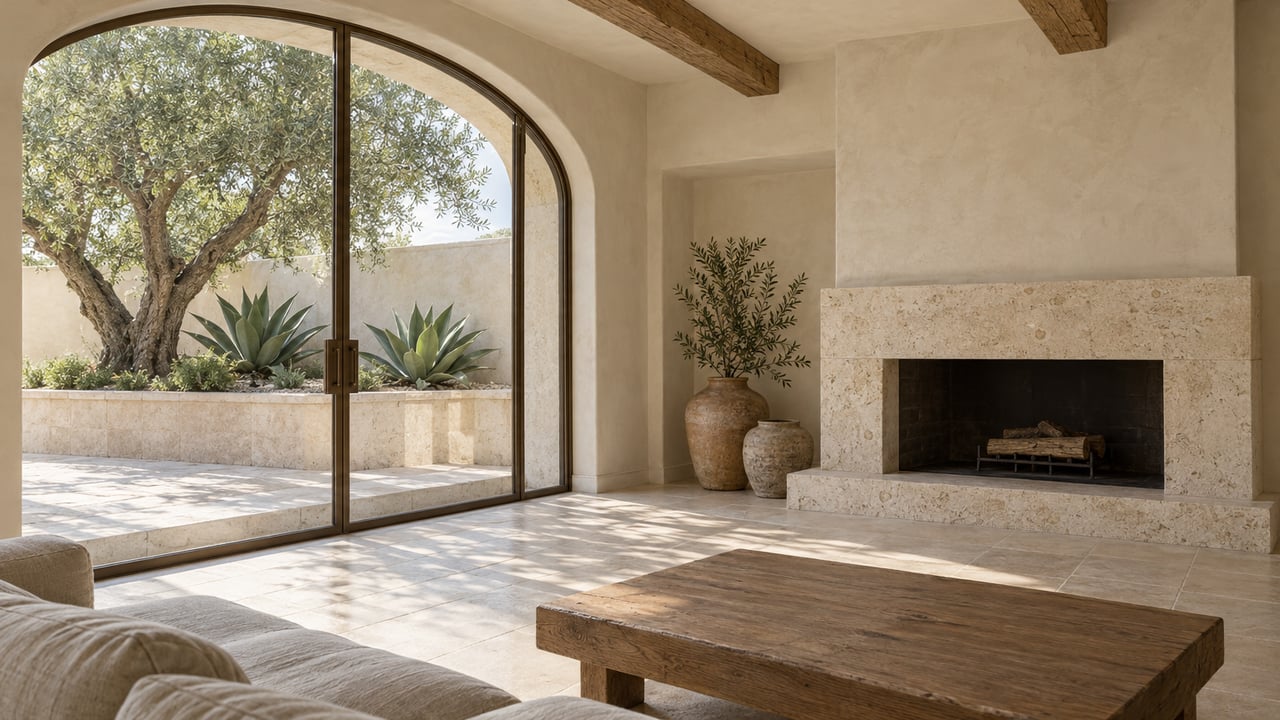
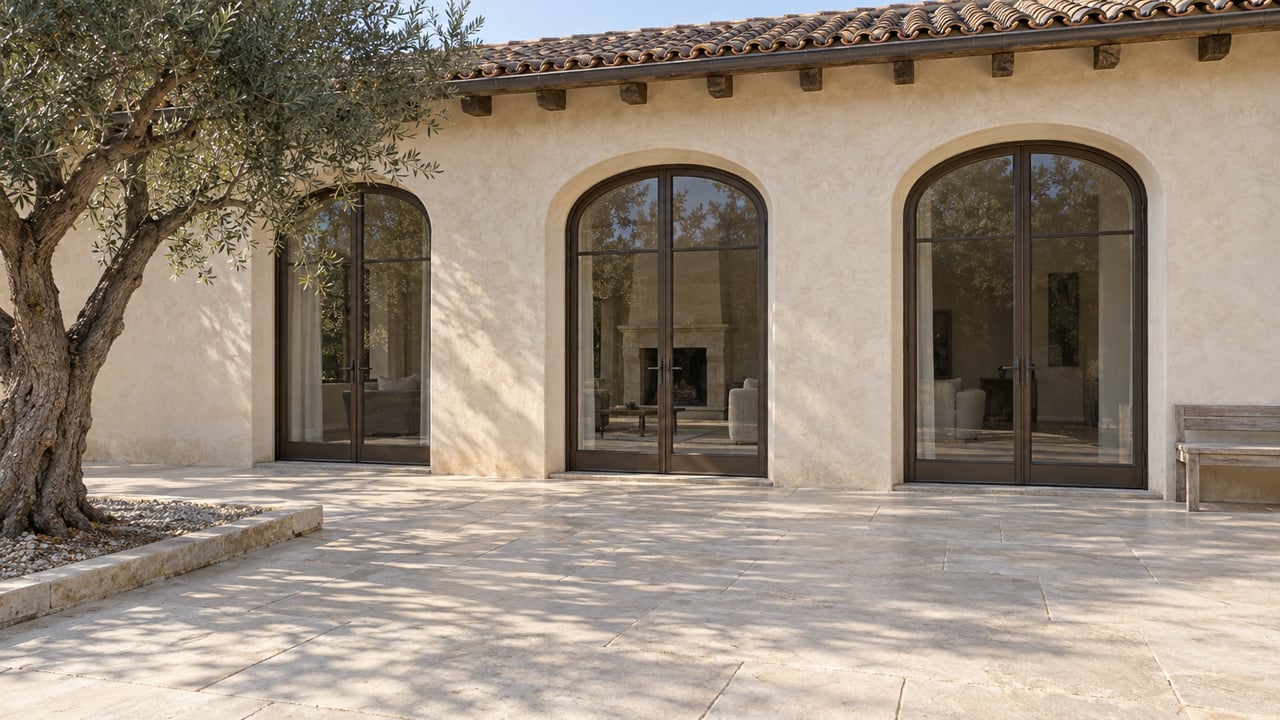
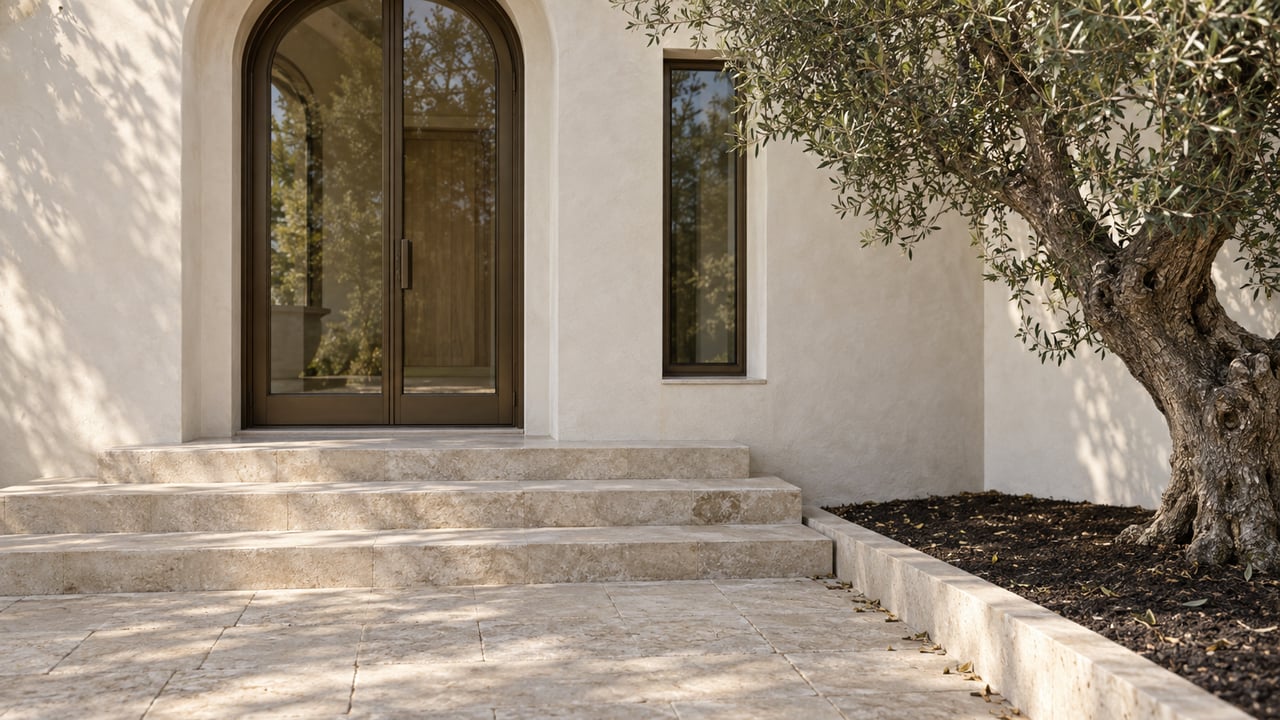
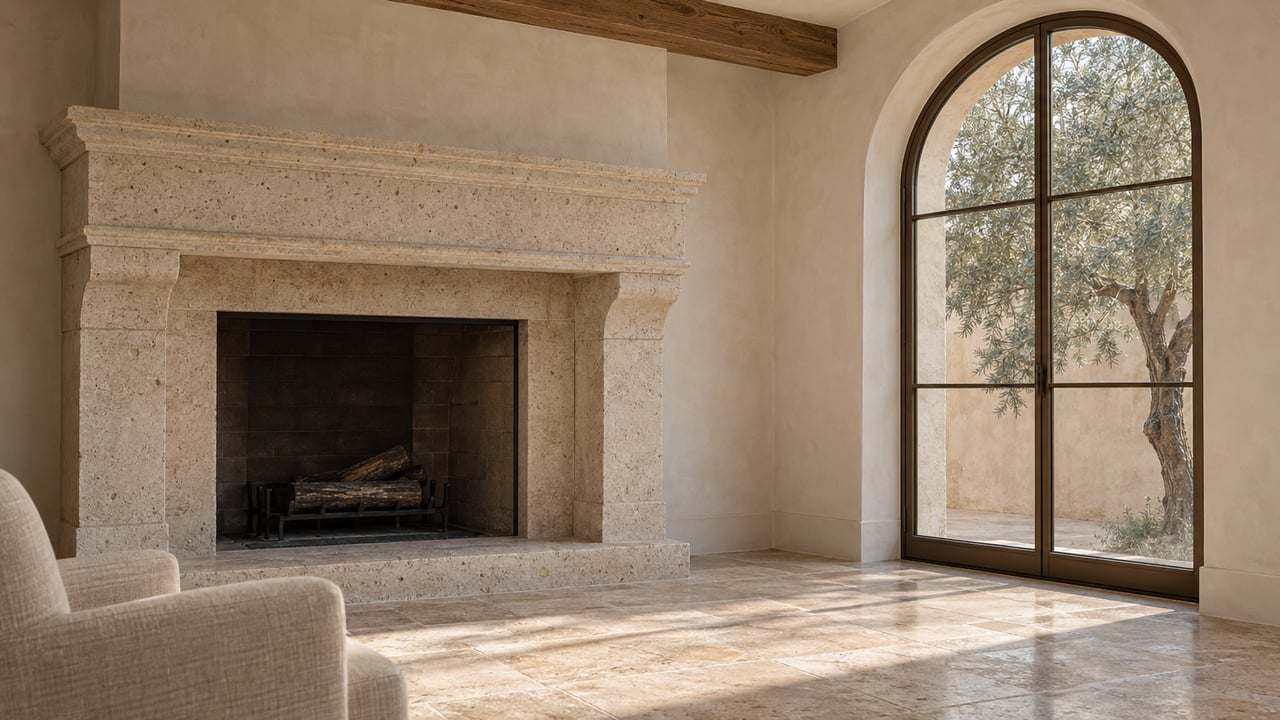
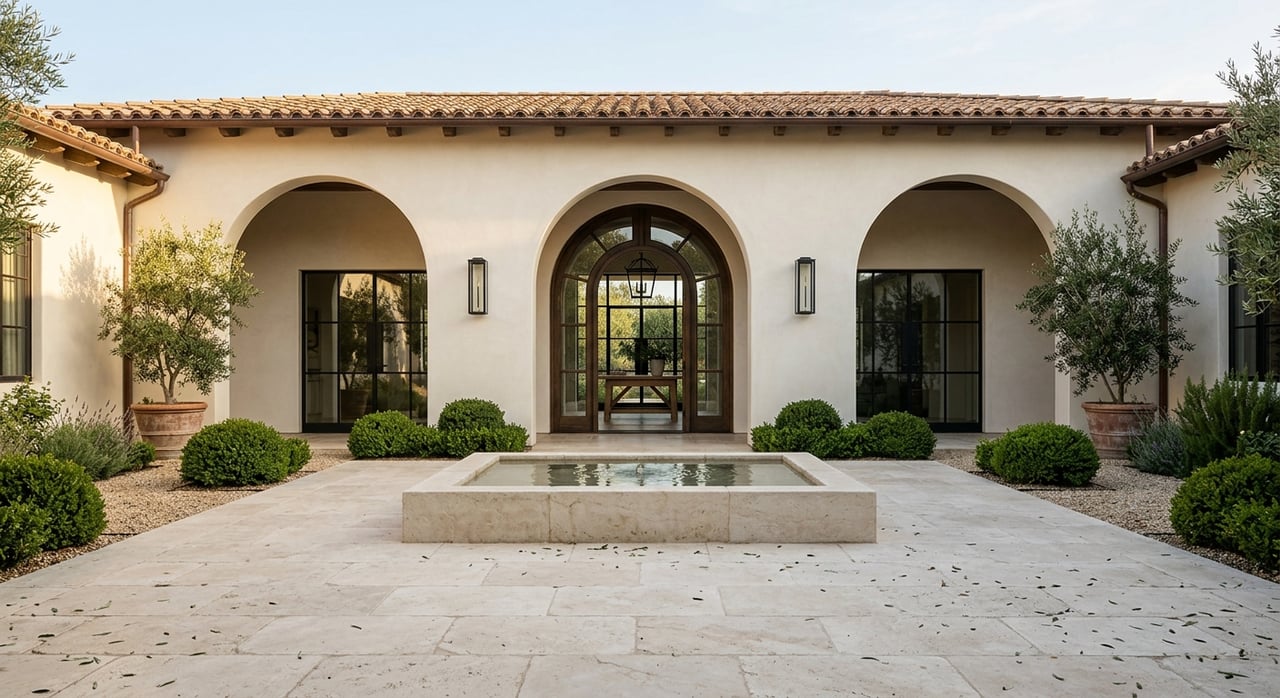
According to City of San Diego historic resource materials, Spanish Colonial Revival homes often feature low-pitched tile roofs, stucco walls, asymmetrical facades, arches, patterned tile, carved stone, decorative vents, window grilles, and balconies. These details create warmth, texture, and a sense of permanence that continue to resonate in the luxury market.
For buyers, this style often appeals because it feels timeless and rooted in place. For sellers, it can be a strong part of the marketing story, especially when original character, thoughtful updates, and outdoor living spaces are presented in a cohesive way.
Key traits of Spanish Colonial Revival
- Low-pitched tile roofs
- Stucco exterior walls
- Arches and asymmetrical facades
- Patterned tile and carved stone details
- Decorative vents, grilles, and balconies
California Ranch and Mediterranean Estates
Not every Rancho Santa Fe estate leans formal or historic in the same way. The Rancho Santa Fe Association’s design guidance also points to California Ranch and certain Mediterranean applications as established sources of inspiration in the community. These styles support a more relaxed, horizontal way of living that fits the area’s larger lots and indoor-outdoor lifestyle.
City of San Diego materials describe California Ranch homes as low, one-story or low-horizontal residences with sprawling plans, low-pitched roofs, overhanging eaves, large windows, and attached garages. Related references also connect the style to Southern California haciendas and ranchos, with private courtyards, open-air corridors, and a strong connection between interior and exterior space.
For many luxury buyers, that translates to easy daily living. These homes often feel less formal than a grand historic estate while still offering scale, privacy, and a strong sense of arrival.
Why buyers are drawn to these homes
- Broad, low profiles that sit naturally on large lots
- Comfortable flow between living areas and outdoor spaces
- Courtyards, patios, and terraces that support year-round use
- A relaxed estate feel without losing architectural presence
Contemporary Homes That Fit the Setting
Rancho Santa Fe is not limited to one look. The local design framework does allow for newer interpretations, but the key is compatibility. The Rancho Santa Fe Association’s residential design guidance emphasizes preserving natural landforms, reducing the obtrusiveness of new construction, and keeping architecture subordinate to the setting.
That means contemporary estates can absolutely work here when they are restrained in massing, careful in their material choices, and respectful of the lot. In practice, buyers often respond best to modern homes that still feel connected to the landscape rather than dominating it.
For sellers of contemporary properties, presentation becomes especially important. Clean architecture, strong sightlines, thoughtful landscaping, and a clear relationship between home and setting can help a newer estate feel fully aligned with Rancho Santa Fe’s broader design language.
Why Lot Design Matters as Much as Style
In Rancho Santa Fe, the lot is part of the luxury experience. The community’s early layout emphasized views and leisurely movement through winding roads, and the Covenant still supports open land, open spaces, and a rural feel. The Association also notes that residents enjoy nearly 60 miles of private equestrian and pedestrian trails.
Because of that setting, buyers often look beyond the house itself. They pay attention to the driveway approach, view corridors, gardens, walls, gates, and how the structure relates to the natural landforms. A beautiful home can feel even more compelling when the site plan is quiet, intentional, and well integrated.
A related Association regulation on fences and walls describes rural landscapes as being characterized by large acreages, few structures, and few physical boundaries. That helps explain why homes that feel visually heavy or overbuilt may read differently here than they would in another luxury market.
Site features buyers often notice
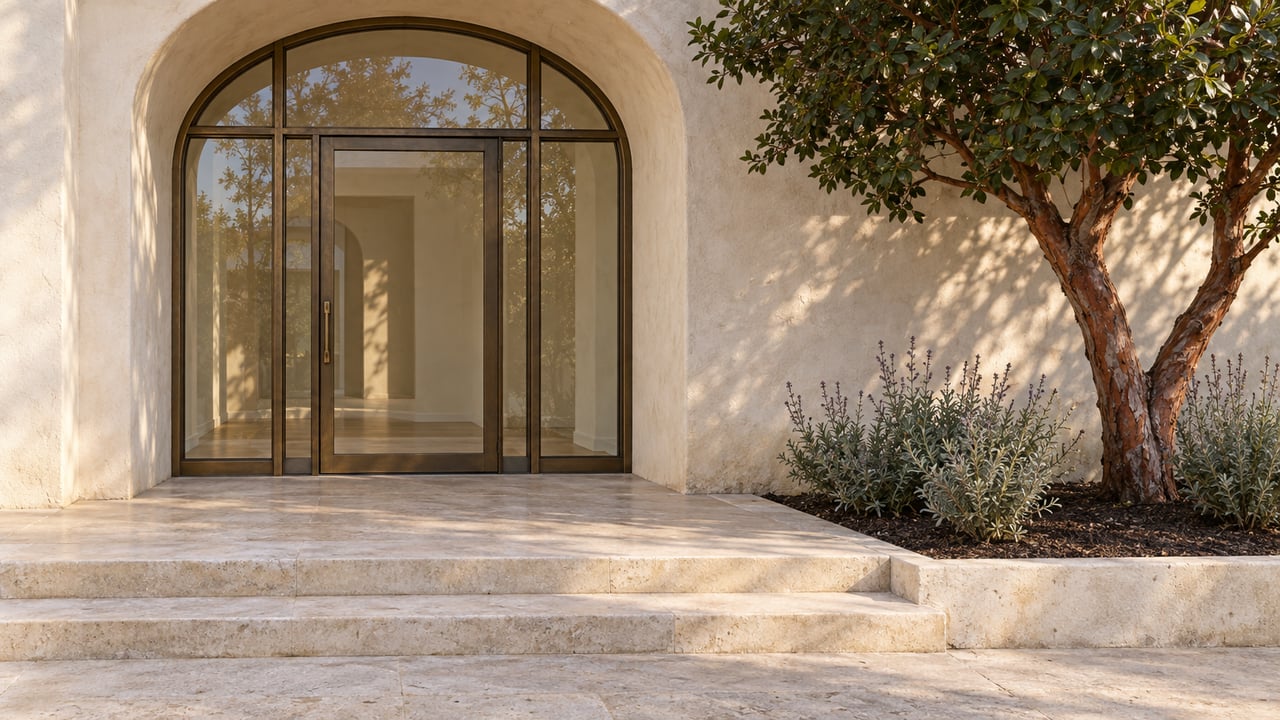
- The arrival sequence from road to front entry
- Privacy without excessive visual barriers
- Preservation of views and natural contours
- Relationship between the main house, guest spaces, and grounds
- Balance between architecture and open space
Indoor-Outdoor Living Is Central
One of the most consistent themes across Rancho Santa Fe luxury homes is the connection between indoors and outdoors. City of San Diego materials describing California Ranch architecture highlight private courtyards, long porches or open-air corridors, and a close relationship between interior and exterior space. That same logic helps explain why terraces, loggias, patios, and pool courts feel so natural in this market.
For buyers, indoor-outdoor flow is often about more than entertaining. It affects how the home lives every day, from natural light to movement between rooms to the way the property engages with gardens and views. In a climate like coastal North County, that connection can shape the entire experience of the home.
For sellers, this means outdoor spaces should be treated as essential living areas, not as an afterthought. The strongest presentation often highlights how the architecture opens to the landscape and how those outdoor spaces support the lifestyle the property offers.
Equestrian Influence on Estate Design
Equestrian living is a meaningful part of Rancho Santa Fe’s identity. The Association’s Osuna Ranch is a 25-acre property with walking paths, grass pastures, equestrian boarding, 34 stalls, 16 paddocks or corrals, and nearly 50 horses on site. Combined with the private trail system for horseback riders and pedestrians, that equestrian framework influences how many buyers evaluate the area.
If you are looking at horse properties, architecture is only one piece of the equation. Usable acreage, barn placement, privacy, circulation, and trail access can all shape the value and appeal of an estate. In many cases, the overall legibility of the site matters just as much as whether the home itself leans Spanish Colonial, Ranch, or contemporary.
This is one reason Rancho Santa Fe homes often feel so intentional. The most successful estates do not just offer a beautiful residence. They create a complete property experience.
What This Means for Buyers
If you are buying in Rancho Santa Fe, architectural style can help you narrow your search faster. It gives you a framework for comparing homes that may be similar in size or price but very different in feel.
A Spanish Colonial Revival estate may offer historical resonance and decorative warmth. A California Ranch or Mediterranean-influenced home may offer easier everyday flow and a more relaxed atmosphere. A contemporary estate may appeal if you want cleaner lines, as long as the home remains sensitive to the land and setting.
The deeper question is how you want the property to live. In Rancho Santa Fe, the right fit usually comes from the relationship between architecture, lot design, privacy, and outdoor use rather than any one feature alone.
What This Means for Sellers
If you are preparing to sell, style should shape your positioning strategy. Buyers in Rancho Santa Fe often respond to homes that feel coherent, meaning the architecture, landscaping, presentation, and story all align.
That is why thoughtful staging, photography, and narrative matter so much at the luxury level. A Spanish estate may benefit from highlighting craftsmanship and historic character. A Ranch property may shine by emphasizing openness and indoor-outdoor ease. A contemporary residence may need especially careful visual storytelling to show how it fits naturally into the Rancho Santa Fe landscape.
In this market, architectural style is not just a design label. It is part of how buyers understand quality, compatibility, and long-term appeal.
If you are thinking about buying or selling in Rancho Santa Fe, White Label Home Collective offers a private, white-glove approach grounded in local market knowledge, tailored presentation, and refined strategy.
FAQs
What architectural style is most associated with Rancho Santa Fe homes?
- Spanish Colonial Revival is the style most closely linked to Rancho Santa Fe’s historic identity, with features like stucco walls, tile roofs, arches, and decorative detailing.
What makes California Ranch homes popular in Rancho Santa Fe?
- California Ranch homes are popular because they offer low, horizontal layouts, large windows, and strong indoor-outdoor flow that suits broad lots and relaxed estate living.
Can contemporary homes fit in Rancho Santa Fe?
- Yes, contemporary homes can fit well when they are compatible with the setting, respectful of natural landforms, and visually restrained in massing and materials.
Why does lot design matter in Rancho Santa Fe luxury real estate?
- Lot design matters because buyers often evaluate the full estate experience, including privacy, driveway approach, views, open space, and how the home sits on the land.
How does equestrian living influence Rancho Santa Fe properties?
- Equestrian living influences many properties through trail access, usable acreage, barn placement, and site planning, which can be as important as the home’s architectural style itself.