Choosing between oceanfront and Village living in Del Mar is not just about how close you are to the water. It is really about how you want your day to feel when you wake up, step outside, and move through the neighborhood. In a small coastal city with distinct micro-neighborhoods, the right fit often comes down to walkability, privacy, visitor activity, and your comfort with the realities of coastal living. If you are comparing lifestyle options in Del Mar, this guide will help you understand the tradeoffs with more clarity. Let’s dive in.
Why Del Mar Feels So Different Block to Block
Del Mar is a small seaside city of about 4,200 residents that welcomes more than 2 million annual visitors. According to the City of Del Mar, retail, restaurants, and hotels are concentrated in the downtown Village, while much of the rest of the city is primarily single-family residential.
That pattern is a big reason Del Mar feels more nuanced than many buyers expect. Rather than one uniform coastal district, you are really choosing among distinct micro-neighborhoods that offer different daily rhythms, street character, and levels of activity.
Oceanfront Living in Del Mar
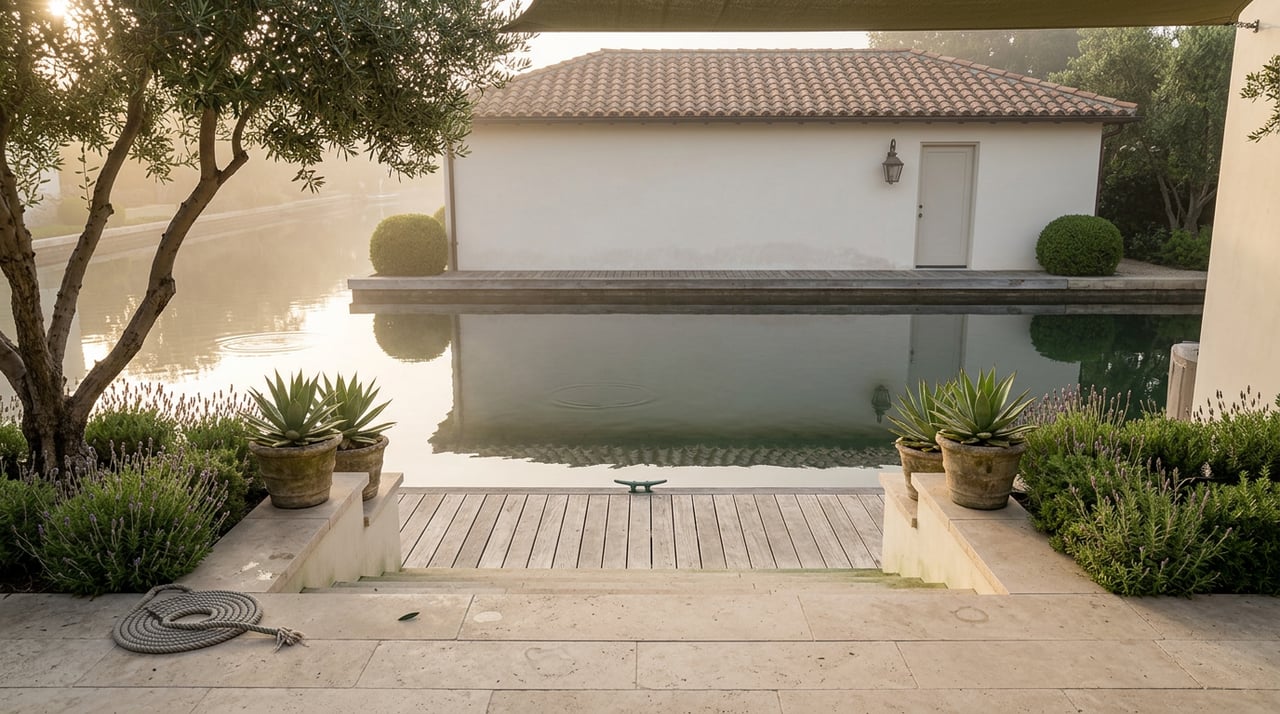
Oceanfront living in Del Mar offers the most immediate connection to the beach. It is the clearest fit if your ideal day includes early surf checks, beach walks, park time, or quick access to the sand without much planning.
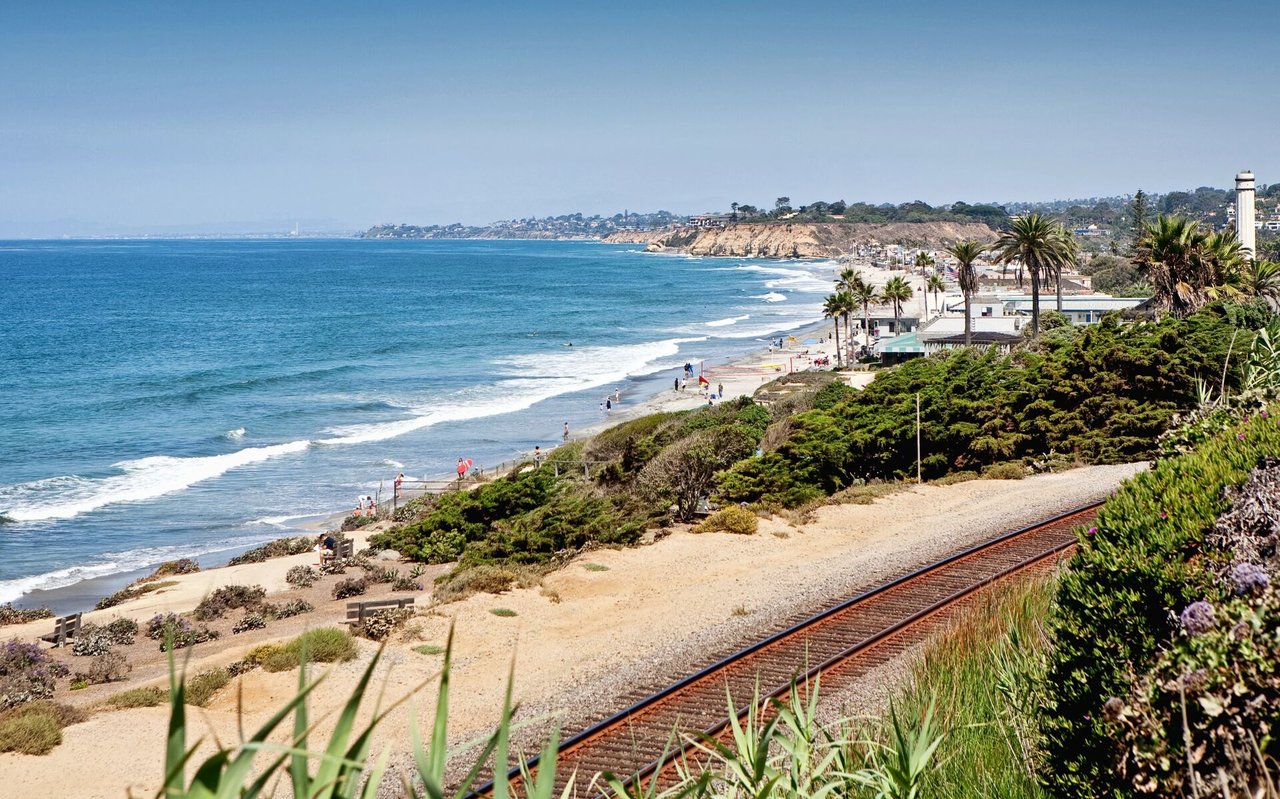
The city describes the beach-side area as a series of beach-level zones rather than one continuous strip. On the city’s Beaches and Parks page, Del Mar identifies North Beach as the area north of 29th Street to the Solana Beach border, notes that Powerhouse and Seagrove Parks sit above the 15th Street surf break, and explains that public access is intended at every street end, at the river mouth, and at Powerhouse Park.
What the Oceanfront Lifestyle Feels Like
If you live near the beach-level streets, the shoreline becomes part of your everyday routine. The setting tends to feel active and visually connected to public spaces, especially near access points, parks, and popular beach areas.
That same convenience also brings more visitor presence. The city notes that on busy summer days, almost all parking spaces can be full by noon, even though some free parking can still be found on nearby streets and in residential areas farther from the sand.
Oceanfront Tradeoffs to Consider
The strongest advantage of oceanfront living is direct beach access. The main tradeoff is that beach proximity also means higher exposure to visitor traffic, parking turnover, and public activity.
It also means greater visibility around coastal management issues. The city’s sea level rise and coastal adaptation planning highlights long-term priorities such as beach nourishment, river-channel dredging, and flood management, while bluff stabilization work along the rail corridor is scheduled through spring 2027.
For buyers, that does not automatically mean oceanfront is less desirable. It simply means the lifestyle comes with a more hands-on relationship to shoreline conditions, public infrastructure, and long-term resilience planning.
Village Living in Del Mar
If you want Del Mar’s most walkable and social setting, the Village is usually where your search begins. This is the compact commercial core along Camino del Mar, where shops, restaurants, events, and day-to-day activity are most concentrated.
The city describes Del Mar as a walkable seaside village, and the downtown area is where much of that identity is most visible. The Village also hosts a mix of pedestrian activity, dining, and regular community activity, including the weekly farmers market, all within Del Mar’s compact central core.
Why Buyers Choose the Village
Village living is often appealing if you value convenience and an easygoing, on-foot lifestyle. Instead of driving for coffee, dinner, or casual errands, you may have more of those options close at hand.
The Village Specific Plan development standards show how intentional that environment is. Buildings are designed close to the sidewalk with transparent storefronts, a 26-foot height cap, and setbacks and stepbacks meant to buffer privacy and help preserve views.
What the Streetscape Is Like
Compared with other parts of Del Mar, the Village tends to feel the most animated. The built environment is intentionally pedestrian-oriented, which creates energy and convenience, but also less separation between the public realm and private property.
If you are looking for an active, connected setting, that can be a major plus. If you prefer more distance from foot traffic and a quieter streetscape, it may feel more exposed than hillside residential areas.
Village Tradeoffs to Consider
The biggest practical tradeoff in the Village is parking demand. The city’s downtown parking management approach reflects the reality that this is one of Del Mar’s highest-demand areas for visitors and local activity.
For many buyers, that is an acceptable exchange for walkability and access to dining and shops. The key is understanding that Village convenience comes with more activity, more demand, and a more public-facing lifestyle.
Hillside Living Near the Village and Coast
Hillside streets offer a very different Del Mar experience. If oceanfront and Village areas feel more immediate and active, the hillside neighborhoods often feel more private, more residential, and more separated from visitor traffic.
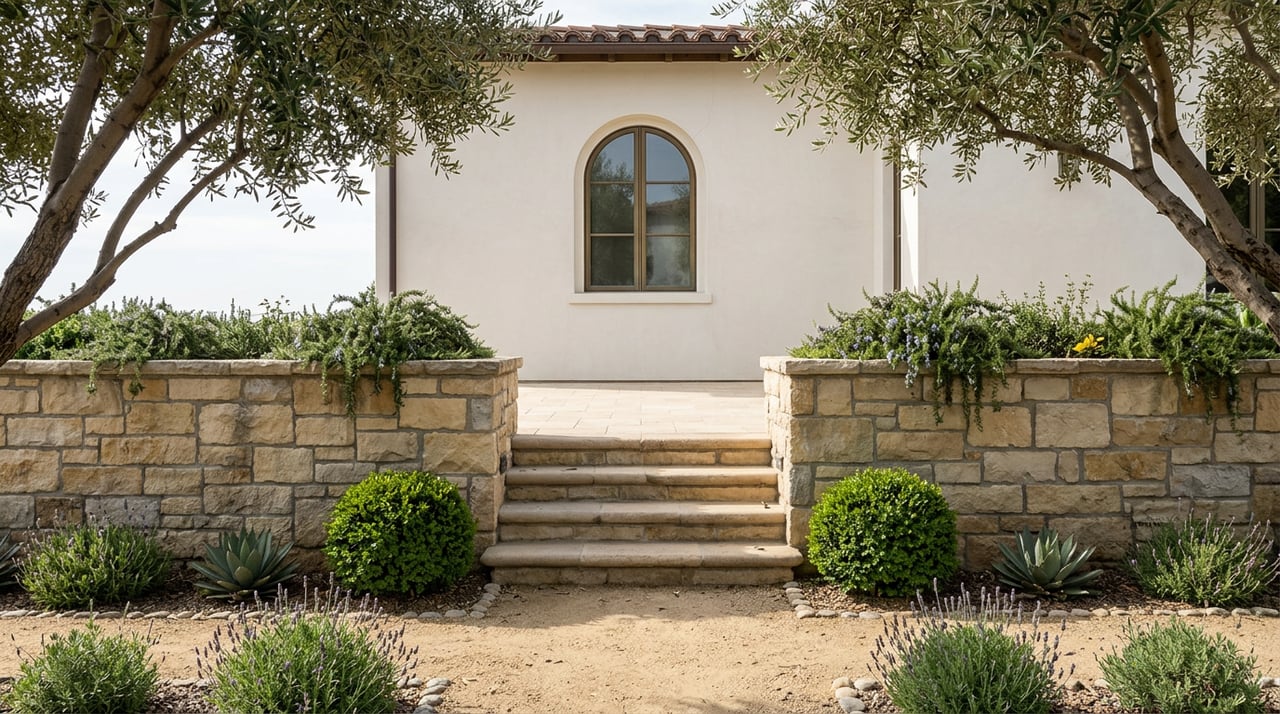
The city describes North Hills, north of 15th Street and east of Camino del Mar, as steep, irregular, and heavily treed, with narrow winding streets, many roads without curbs or sidewalks, varied lot sizes, and a wide range of single-family architecture. The city also notes that South Beach is more elevated than North Beach, with flat or gently sloping lots and more landscaping, which helps explain why not all beach-adjacent locations feel the same.
Why Hillside Areas Appeal to Buyers
For many buyers, the appeal is simple: more privacy and a stronger residential feel. Topography, mature landscaping, and less pedestrian activity can create a greater sense of separation than you will typically find in the Village or at beach level.
The city’s design guidance also reinforces that Del Mar does not favor a single architectural style. Instead, the emphasis is on quality architecture, site-sensitive design, scenic views, and neighboring privacy, which helps explain why hillside streets often feel varied and distinctive from one property to the next.
Hillside Tradeoffs to Consider
The main tradeoff is convenience. Because these streets are often narrow, curving, and less sidewalk-oriented, daily life can be more car-dependent than in the Village.
The city has also noted that parked cars can narrow roads and affect emergency access, deliveries, and trash collection in North Hills. In practical terms, that means the calm and privacy many buyers want can come with more constrained street geometry and less of a walk-everywhere setup.
Oceanfront vs Village: Which Fits You Best?
If you are deciding between oceanfront and Village living, it helps to focus less on prestige and more on how you want to live every day. In Del Mar, small shifts in topography and street pattern can create very different experiences.
Here is a simple way to think about the comparison:
Lifestyle Priority | Oceanfront | Village | Hillside |
|---|---|---|---|
Fast beach access | Strongest fit | Close in some areas | Usually less immediate |
Walkability to dining and shops | Limited compared with Village | Strongest fit | More limited |
Privacy | Lower near access points | Lower due to active streetscape | Strongest fit |
Visitor activity | Highest | High | Lower |
Parking pressure | High near beach areas | High in core areas | Typically less visitor-driven |
Residential feel | Mixed by location | Most urban and active | Most residential |
How to Narrow Your Search in Del Mar
If you are serious about buying in Del Mar, it helps to tour with a lifestyle lens instead of focusing only on square footage or view lines. The same city can feel dramatically different depending on whether you are standing on a beach-level street, near Camino del Mar, or on a hillside road with mature trees and elevation.
As you compare options, consider these questions:
- Do you want to walk to the sand as part of your daily routine?
- Do you want shops and dining within easier reach?
- How much visitor activity feels comfortable to you?
- Would you trade some walkability for more privacy?
- Are you comfortable with the practical realities of coastal management or steep street layouts?
The best fit usually becomes clearer when you think in terms of lifestyle rhythm, not just location labels.
A Thoughtful Way to Buy in Del Mar
In Del Mar, “close to the beach” can mean very different things depending on the block. Oceanfront living offers the strongest beach-first lifestyle, the Village offers the most walkability and energy, and hillside streets offer more privacy and a more residential feel.
The right choice depends on how you want your home to support your everyday life. If you want expert guidance as you compare Del Mar’s micro-neighborhoods, White Label Home Collective offers a discreet, high-touch approach tailored to your goals.
FAQs
What is the difference between oceanfront and Village living in Del Mar?
- Oceanfront living is centered on immediate beach access and a beach-first daily rhythm, while Village living is centered on walkability to shops, dining, and Del Mar’s most active pedestrian core.
Is the Village the most walkable part of Del Mar?
- Yes. Based on the city’s description of Del Mar and its downtown planning documents, the Village is the most walkable area for errands, dining, and casual social activity.
What should buyers know about Del Mar oceanfront streets?
- Buyers should know that oceanfront streets offer the fastest access to the beach, but they also tend to have more visitor activity, parking pressure, and greater proximity to coastal resilience and shoreline management efforts.
Are hillside neighborhoods in Del Mar quieter than the Village?
- In general, yes. Hillside areas are described by the city as more residential, with narrow winding streets, mature landscaping, and less pedestrian activity than the Village core.
Does every beach-adjacent area in Del Mar feel the same?
- No. The city distinguishes among North Beach, South Beach, parks, and hillside areas, and notes differences in elevation, lot conditions, landscaping, street layout, and public access that shape the feel of each area.
What is the biggest tradeoff when choosing a Del Mar micro-neighborhood?
- The biggest tradeoff is usually between convenience and privacy: oceanfront and Village areas offer stronger access and activity, while hillside areas generally offer more separation and a more residential setting.