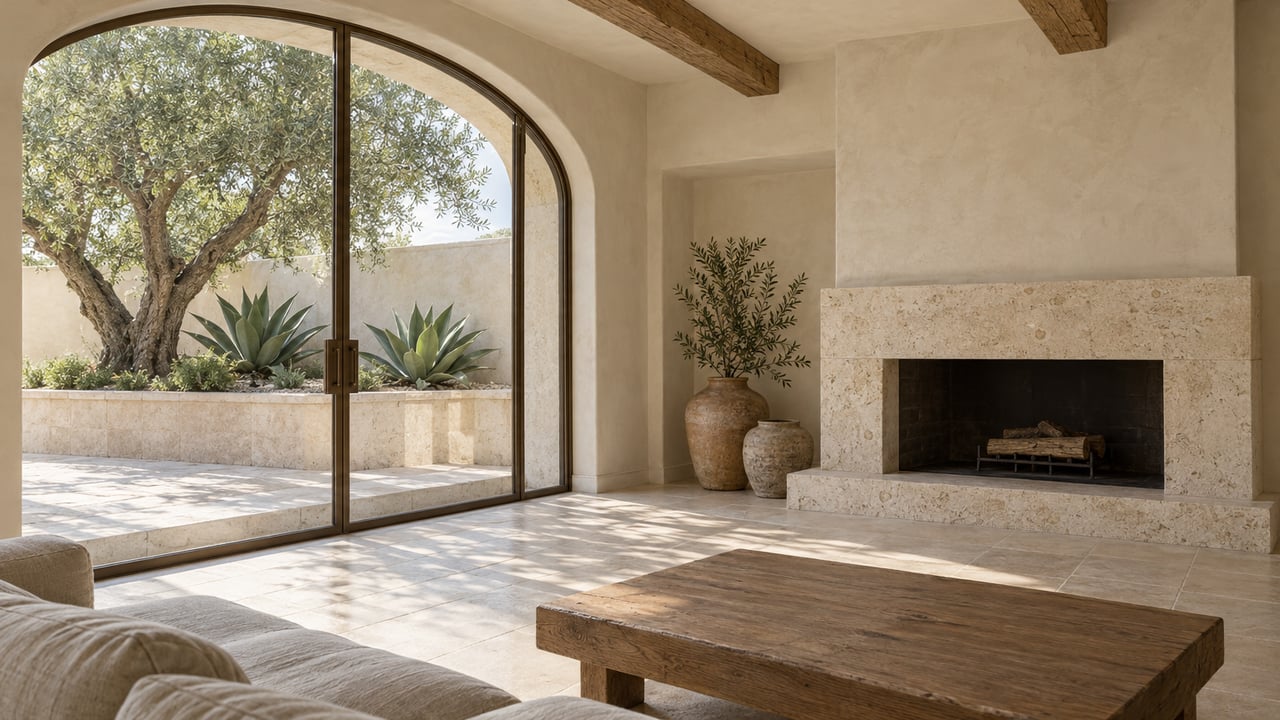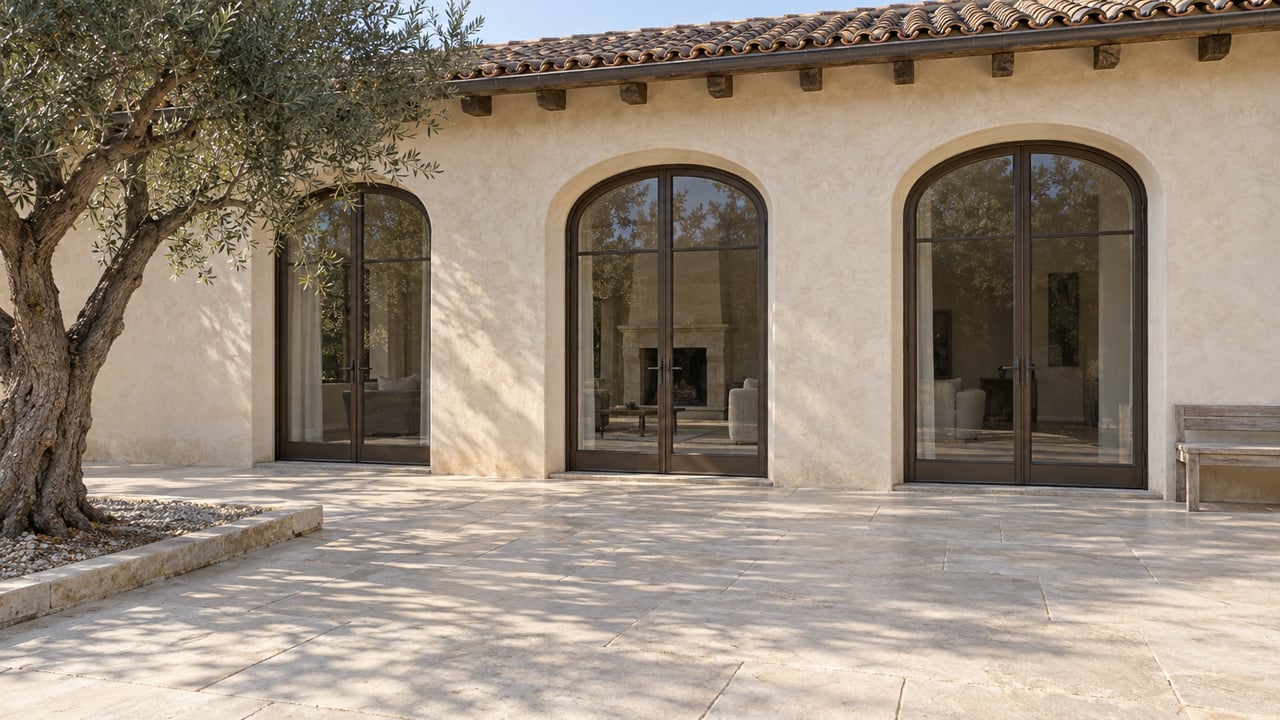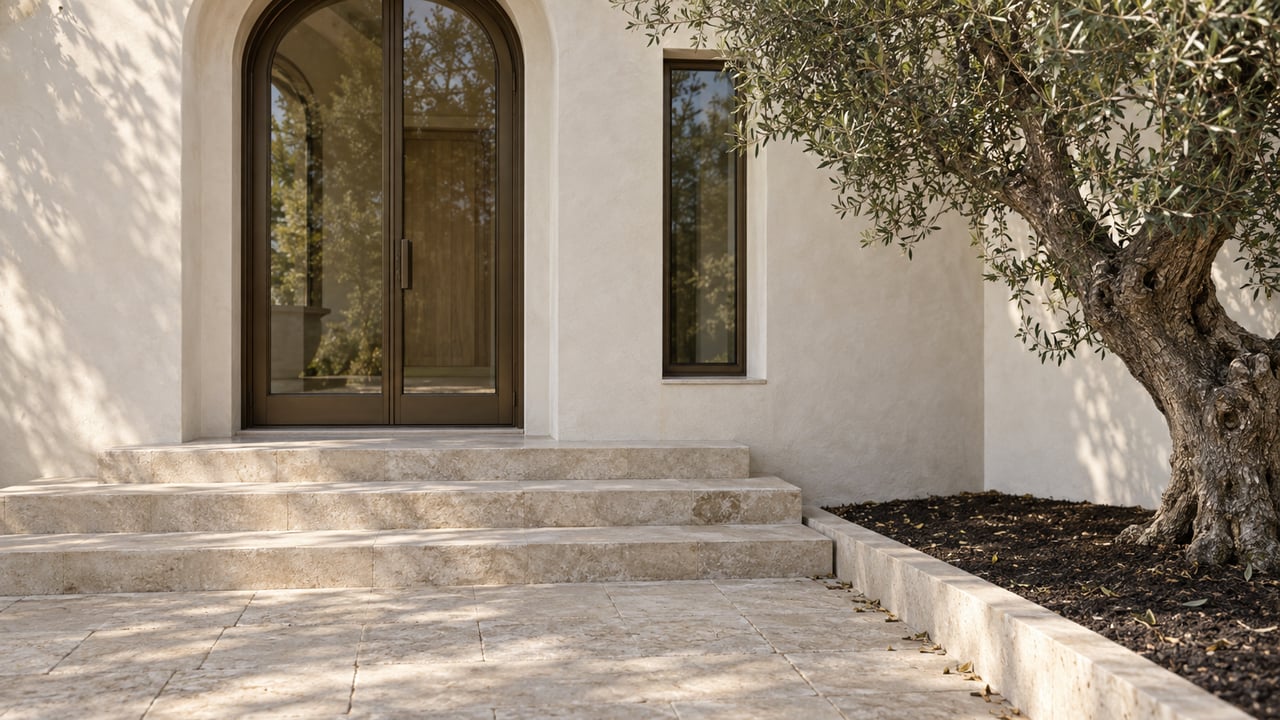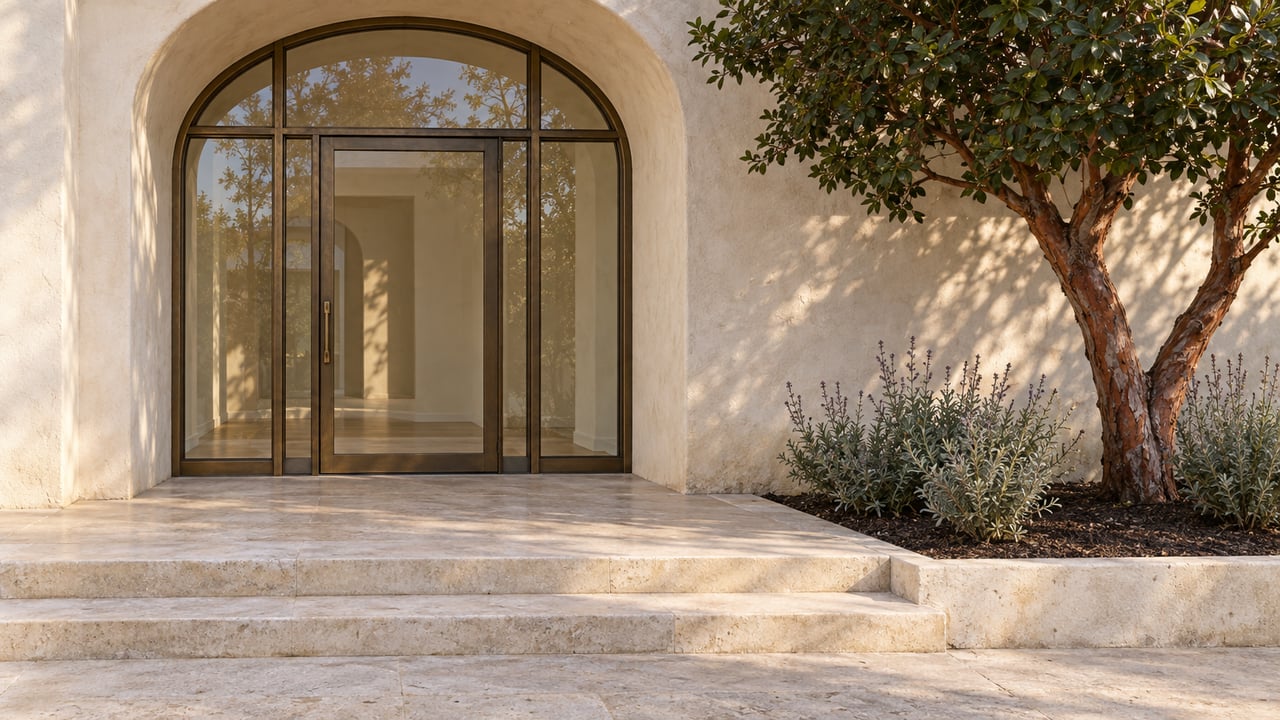
The Art Jury is a small group of volunteers that sits down inside the Rancho Santa Fe Association's building department and decides whether your remodel looks like Rancho Santa Fe; the Rancho Santa Fe Association says it meets roughly every three weeks, on a Tuesday morning at 8:30. If your property sits inside the historic Protective Covenant, its review is a separate step from the county permit process.
The Art Jury's calendar, its expiration clocks, and its discretion to enforce a stricter standard than the written code merit attention during due diligence. If you're evaluating an estate here with plans to build a guest casita, extend a wing, or simply repaint the exterior a shade the Covenant didn't anticipate, the question isn't just whether the county will approve it. It's whether the Art Jury will, and on whose timeline.
The Clock That Runs on Its Own Calendar
The Art Jury meets on a fixed cadence, roughly every three weeks, and the Association's architectural review process holds projects in a queue on a first-come, first-served basis. That single fact changes how a buyer should think about escrow. If a design needs two full review cycles before it clears, that's a minimum of six weeks before the Art Jury even reaches a decision, and that clock hasn't touched San Diego County's separate plan check and permitting process yet, which runs in parallel or, more often, in sequence.
Association approvals also have expiration windows that can affect project timing.
The Written Code Isn't What Actually Gets Approved
According to MyRSF, Rancho Santa Fe's regulatory code allows single-story structures up to 25 feet. During an open meeting where Art Jury leadership discussed their own approval criteria, the jury's president said he couldn't recall approving anything taller than 23 feet, and even then only as an isolated architectural element rather than the bulk of a structure. Visibility matters too. A house on a view hill draws closer scrutiny than a similar design tucked into a valley where the neighbors can't see it.
None of this appears in the Protective Covenant's text. It's the accumulated judgment of the people applying it, and it means a design that technically complies with the written height limit can still be sent back if it reads as too much house from the street or the next ridge. For buyers, the written code is only one part of understanding the review process.
The House Next Door May Answer to a Different Committee
Not every Rancho Santa Fe address sits inside the Covenant. According to Modern Yardz, several of the area's best-known gated communities, including The Bridges, The Crosby, and Fairbanks Ranch, run their own architectural review outside the Art Jury's jurisdiction entirely. Each has its own design guidelines, its own submission process, and its own timeline. A renovation plan that would sail through one community's review might face an entirely different set of expectations two roads over.
This is why confirming Covenant status during escrow matters more here than in almost any other North County community. The same architectural ambition can face three different review bodies depending on which side of a property line it sits on.
Review stage | What happens | Typical risk if delayed |
|---|---|---|
Escrow due diligence | Confirm Covenant status, prior approvals, permit history | Buying into unknown review obligations |
Art Jury pre-application and style check | Conceptual plans reviewed at a three-week meeting cadence | Style-check approval can expire |
Final Art Jury approval, then County plan check | Detailed plans finalized, County permitting begins | Final approval can expire if conditions unmet |
A 2026 Change to Review of Association Projects
In January 2026, RSF Post reported that the RSFA Board adopted a resolution that changes how design review works for its own projects. Under the new framework, when the Association itself is the applicant, the Art Jury can still offer recommendations, but the Board isn't required to follow them. If the Board disagrees with the jury's take on an Association-sponsored project, it can keep revising and approving its own plans without an appeal process standing in the way.
Covenant members remain bound by the full review and appeal process, including a four-fifths supermajority vote and specific findings of hardship, lowered standards, or bias before the Board can even overturn an Art Jury decision on a private home. The result is distinct review procedures for Association projects and private homes.
The Association's golf club restaurant renovation provides an example of an Association-sponsored project and context for the distinction between applicants and reviewers.
For buyers, the resolution is a reminder to confirm which review process applies to a planned renovation. Any guide, including this one, is a snapshot. Confirming the current submittal schedule and fee structure directly with the Association before writing an offer with renovation plans attached is a practical planning step.
A Court Decision on Art Jury Review
A court decision illustrates that the Art Jury's discretion has limits. In Dolan-King v. Rancho Santa Fe Association, a California appellate court reviewed a case where a homeowner's proposed fence design was denied. The homeowner's own architect testified the design was artistically sound and consistent with the Spanish Colonial Revival style the Covenant requires. The Association's Board and Art Jury disagreed and denied the application. The court ultimately found that the denial rested on an overly narrow reading of both the Covenant's grant of authority to the Art Jury and the range of architectural styles it was permitted to consider, and ruled the fence application should have been approved.
The case is decades old, but it still matters to anyone buying here with renovation plans, because it shows two things at once. The Art Jury's discretion is real and can result in a denial even when a licensed architect defends the design. And that discretion has a ceiling. Courts have intervened when a review body's interpretation of its own governing documents strayed too far from what the Covenant actually authorizes. For most homeowners, litigation isn't the plan. But knowing the outer edge of the Art Jury's authority is useful context before assuming a denial is final or that every stylistic preference on the jury is enforceable as written law.
What to Confirm Before You Write the Offer
A few questions answer most of what a buyer needs to know before renovation plans and escrow timelines collide:
- Is this specific parcel inside the historic Protective Covenant, or does it fall under a separate community's architectural committee, such as The Bridges, The Crosby, or Fairbanks Ranch?
- Does the seller have any prior Art Jury submissions, approvals, or denials on file, and are any approvals still active or already expired?
- What does the current Art Jury submittal schedule look like, and how many projects are ahead of yours in the queue?
- If the renovation includes anything visible from a neighboring view hill, has the design been tested against the Art Jury's practical height and massing standards, not just the written code maximum?
- Has anything about the review process changed recently that a seller's disclosure package might not reflect?
None of these questions slow down a clean transaction. They just make sure the clock you're planning around is the real one.
FAQs
Does every property in Rancho Santa Fe go through the Art Jury?
No. Only properties inside the historic Protective Covenant fall under Art Jury review. Several gated communities in the broader Rancho Santa Fe area, including The Bridges, The Crosby, and Fairbanks Ranch, run their own separate architectural committees with their own guidelines and timelines.
How long should I budget for Art Jury review on a renovation?
It depends on how many review cycles the project needs. Because the Art Jury meets roughly every three weeks and projects are queued first-come, first-served, even a straightforward design that clears in two cycles takes a minimum of six weeks before the jury reaches a final decision, separate from the County's own plan check and permitting timeline that follows.
Can an Art Jury decision be appealed?
Yes, though the bar is high. Overturning an Art Jury decision requires a four-fifths supermajority vote from the Board along with specific findings that the decision caused hardship, lowered community standards, or was influenced by bias. In rare cases, homeowners have also taken denials to court, as in Dolan-King v. Rancho Santa Fe Association, where an appellate court found the Art Jury's interpretation of its own authority had been too narrow.
The Takeaway
An estate in Rancho Santa Fe may be subject to a separate review process. Understanding which body reviews a project, how often it meets, and which requirements apply can help buyers plan renovation timelines.
If you're evaluating a Covenant property with renovation ambitions, White Label Home Collective can walk through the property's specific review history and governance layer before you write an offer. Schedule a private, white-glove consultation to start.
This article is general information, not legal, tax or financial advice. Consult a qualified professional about your situation.