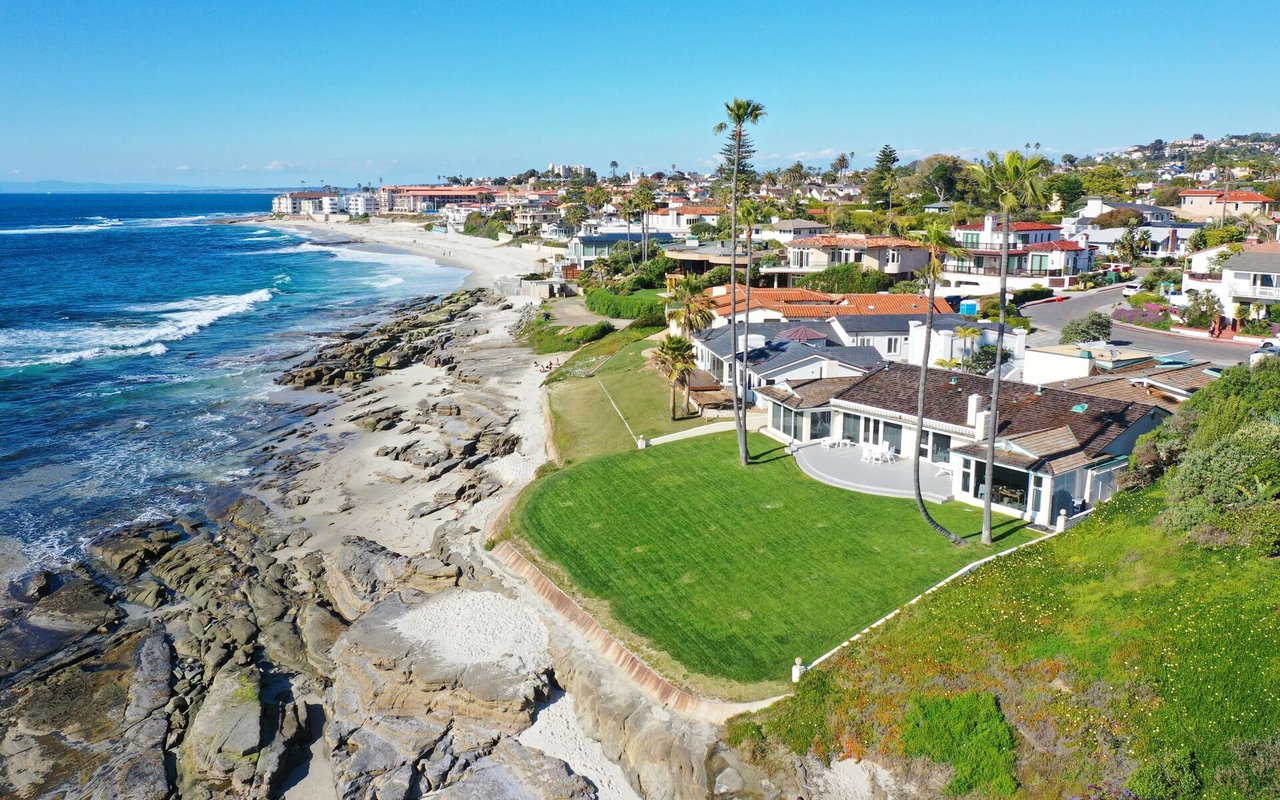
Dreaming about a place by the beach in Del Mar? You are not alone, and that is exactly why buying a second home here takes more than falling for an ocean view. In a small coastal city with heavy visitor traffic, event activity, and detailed rental rules, the right purchase often comes down to practical details as much as lifestyle. This guide will help you focus on what matters most so you can buy with more clarity and confidence. Let’s dive in.
Why Del Mar feels different
Del Mar is a compact seaside city in North County, about 20 miles north of San Diego. The city reports roughly 4,200 residents across 2.2 square miles, yet it also welcomes more than 2 million visitors each year for beaches, trails, dining, shopping, and Fairgrounds events.
That small footprint shapes the second-home experience in a big way. In Del Mar, a few blocks can change your day-to-day lifestyle, your parking options, and how much seasonal activity you feel around your home.
Location matters block by block
If you picture a second home where you can walk to coffee, dinner, the beach, and local shops, the village core may feel like a natural fit. The city highlights Del Mar Village as a walkable area with independent shops, services, restaurants, and boutique hotels.
If you prefer a quieter setting, homes farther from the center may offer more privacy. The tradeoff can be less immediate access to dining, beach entry points, and services, along with a different relationship to traffic and parking.
For many buyers, this is the key Del Mar decision. You are not just choosing a home style. You are choosing how connected or insulated you want your coastal experience to feel.
What lock-and-leave buyers should prioritize
A second home should feel easy to own, not like a constant project. In Del Mar, that often means looking beyond finishes and focusing on how the property functions when you are in town and when you are away.
Walkability and daily ease
Walkability can be a real advantage in Del Mar, especially in and around the village. If you want to spend weekends here without relying on a car for every errand or dinner reservation, proximity to the village core may add meaningful convenience.
This can be especially appealing for pied-à-terre buyers who want a simple arrival experience. The easier it is to park once and move around on foot, the more relaxed your second-home routine may feel.
Owner and guest parking
Parking deserves close attention in Del Mar. The city’s downtown parking plan notes that public on-street parking is often full or nearly full at peak times in several commercial and nearby residential areas, and beach, downtown, and garage parking can include posted time limits or hourly fees.
That means private parking, guest parking, overnight storage, and any permit-related details should be part of your due diligence. A beautiful home can feel far less convenient if parking becomes a recurring challenge for you or your guests.
Property type and maintenance
Many second-home buyers compare lower-maintenance property types with detached coastal homes. In Del Mar, that comparison matters because the ease of ownership can vary widely depending on the property’s upkeep needs, parking setup, and any ownership restrictions tied to the building or community.
A smaller residence may support a simpler lock-and-leave lifestyle. A detached home may offer more privacy and space, but it can also bring more maintenance responsibilities and more site-specific coastal considerations.
Understand event and seasonal exposure
Del Mar’s appeal includes major local destinations, and that can affect how your second home lives. The Del Mar Fairgrounds hosts about 300 events a year and draws roughly 3 million visitors annually, including the county fair and horse racing seasons.
The city also notes that it does not control Fairgrounds activities or enforce noise restrictions there. If you are considering a home closer to that area, you should be prepared to evaluate traffic patterns, parking pressure, and event-related noise as part of your buying decision.
This does not make those locations less desirable by default. It simply means your lifestyle fit matters. Some buyers enjoy being near activity, while others want a more tucked-away retreat.
Match the home to your beach lifestyle
Del Mar has more than two miles of sandy beach, along with Powerhouse Park, Seagrove Park, and North Beach, which is commonly called Dog Beach. For second-home buyers, beach access is not a generic feature here. It is part of how you will actually use the property.
You may want quick access for morning walks, surf sessions near 15th Street, park time, or dog-friendly beach use. Seasonal dog rules vary by shoreline area, so it is worth confirming how your preferred stretch of coast aligns with the way you plan to spend time in Del Mar.
The closer a home is to the beach, the more important practical details may become. Parking, visitor activity, and access patterns can matter just as much as distance on a map.
Know the short-term rental rules
If you are considering occasional rental income, Del Mar requires especially careful review. The city’s short-term rental framework is specific, permit-based, and currently constrained.
The City Council adopted the ordinance on September 23, 2024, and the California Coastal Commission certified it on February 5, 2026. The city says there are 150 existing short-term rentals while the citywide cap is 129, and new owners cannot currently apply for a permit because the cap has been reached. New owners may only join a waitlist.
Do not assume a prior rental history transfers
This is one of the most important points for second-home buyers. Even if a property has been used as a short-term rental in the past, you should not assume that right transfers to a new owner.
According to the certified framework, short-term rental permits are valid for two years and may not be transferred, sold, or assigned. If rental flexibility is part of your plan, this point should be verified before you close.
Key rules buyers should verify
Del Mar’s current framework includes several operating and eligibility rules. Before you underwrite any rental income, review these details carefully with the appropriate professionals:
- New short-term rentals must meet a primary residence requirement, with the owner living in the unit and claiming it as a primary residence for more than six months of the year.
- The minimum stay is three nights.
- Short-term rentals are not allowed in multi-unit apartment buildings in residential zones.
- ADUs in residential zones cannot be used as short-term rentals.
- Condominiums may be treated differently, but are limited to 10 percent of the total primary dwelling units in the complex.
- A local contact person must be available 24 hours a day, 7 days a week.
- The Good Neighbor Policy requires signage, parking compliance, noise control, trash control, and prohibits special events such as weddings or bachelor parties.
The city also states that HOA rules are not enforced by the city, but written HOA consent may be required if applicable. That makes CC&Rs, deed restrictions, and building-level rules an essential part of your review.
Budget for taxes and compliance
Del Mar’s transient occupancy tax for short-term rentals is 13 percent. The city says STR owners are responsible for collecting and remitting that tax after a permit is issued, using the city’s Rentalscape platform.
The city also advises residents to consult a CPA or tax attorney for tax questions. For buyers, the practical takeaway is simple: verify zoning, permit eligibility, ownership restrictions, and tax treatment before closing, not after.
Plan for coastal risk and ownership logistics
A second home in Del Mar can be rewarding, but coastal ownership comes with responsibilities. The city is actively planning for sea-level rise and notes that much of Del Mar sits in a coastal hazard environment.
Its flood-map information explains that updated maps account for wave action, dune erosion, wave setup, wave run-up, seawall overtopping, and overland wave propagation, but not projected sea-level rise. For oceanfront or bluff-adjacent buyers, that makes site-specific hazard review an important part of due diligence.
Look beyond the view
In Del Mar, bluff stability, flood exposure, and long-term adaptation considerations can matter more than they would in an inland second-home market. A striking location may also come with engineering, insurance, or maintenance questions that deserve early review.
The city states that project-specific and site-specific information is necessary for detailed cost estimates in sea-level-rise planning. In other words, broad assumptions are not enough when you are evaluating a coastal property here.
Build an emergency plan
Lock-and-leave ownership works best when you have a local support system. Del Mar’s emergency preparedness guidance recommends being self-sufficient for at least 72 hours after a disaster, designating an out-of-state contact, keeping duplicate key documents off-site, and knowing utility shutoffs.
For a second-home owner, this is more than a general safety reminder. It is a blueprint for how to set up your property so it is easier to manage when you are not in town.
A smart Del Mar buyer checklist
If you are serious about buying a second home in Del Mar, keep your evaluation focused on the issues that most affect enjoyment and ease of ownership.
Priorities to review before you buy
- The specific block and how it feels during peak visitor times
- Walkability to the village, beach, parks, and dining
- Private parking, guest parking, and any permit considerations
- Proximity to Fairgrounds activity and seasonal traffic patterns
- Property type and ongoing maintenance demands
- HOA rules, CC&Rs, and deed restrictions if applicable
- Short-term rental permit status and actual eligibility after closing
- Coastal hazard exposure, including bluff or flood-related concerns
- Your emergency readiness and local property management plan
A great second home in Del Mar is not just beautiful. It fits the way you want to live, the way you want to travel, and the amount of complexity you are willing to manage.
If you want expert guidance as you evaluate Del Mar’s coastal inventory, lifestyle tradeoffs, and ownership details, White Label Home Collective offers the private, high-touch support that helps you move with confidence.
FAQs
What should second-home buyers in Del Mar prioritize first?
- Focus on the specific block, walkability, parking, event exposure, property maintenance, and any rental or HOA restrictions before you focus on finishes.
Can a second-home buyer in Del Mar use the property as a short-term rental?
- You should not assume that is possible. Del Mar’s short-term rental program is capped, new owners currently cannot apply for a permit, and permit rights do not transfer with a sale.
Why is parking so important for a Del Mar second home?
- The city reports that on-street parking is often full or nearly full at peak times in some downtown and nearby areas, so owner and guest parking can have a major impact on convenience.
How do Fairgrounds events affect second-home ownership in Del Mar?
- Homes closer to the Fairgrounds may experience more traffic, parking pressure, and event-related noise because the site hosts about 300 events each year.
What coastal risks should Del Mar second-home buyers review?
- You should review site-specific factors such as flood exposure, bluff conditions, and long-term coastal hazard considerations, especially for oceanfront or bluff-adjacent properties.
Is Del Mar a good fit for a lock-and-leave lifestyle?
- It can be, especially if you choose a property with manageable upkeep, strong walkability, practical parking, and a clear emergency and property management plan.