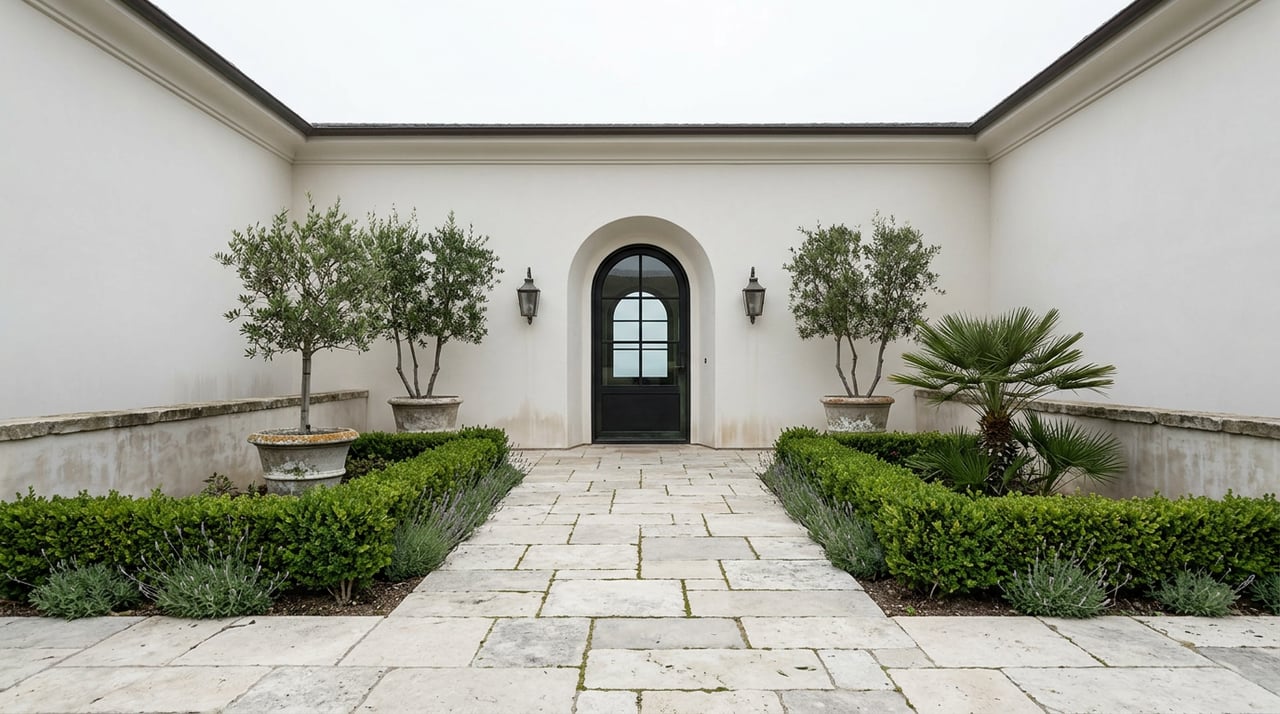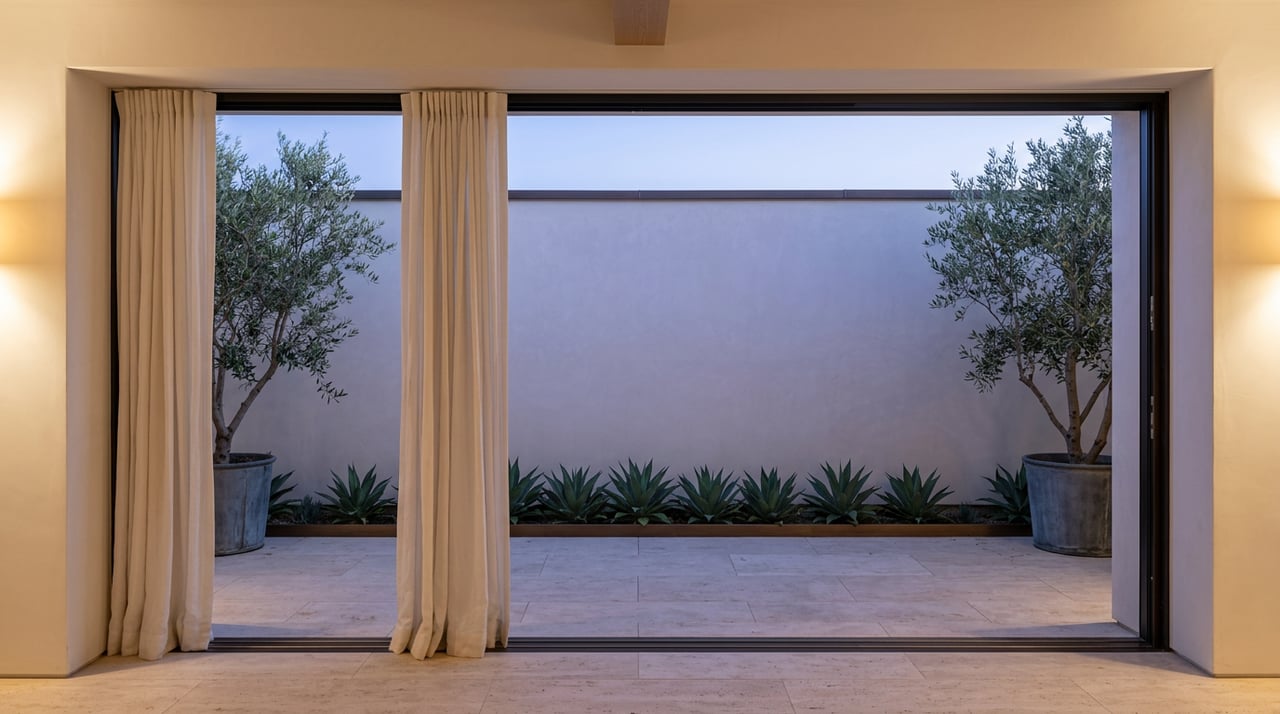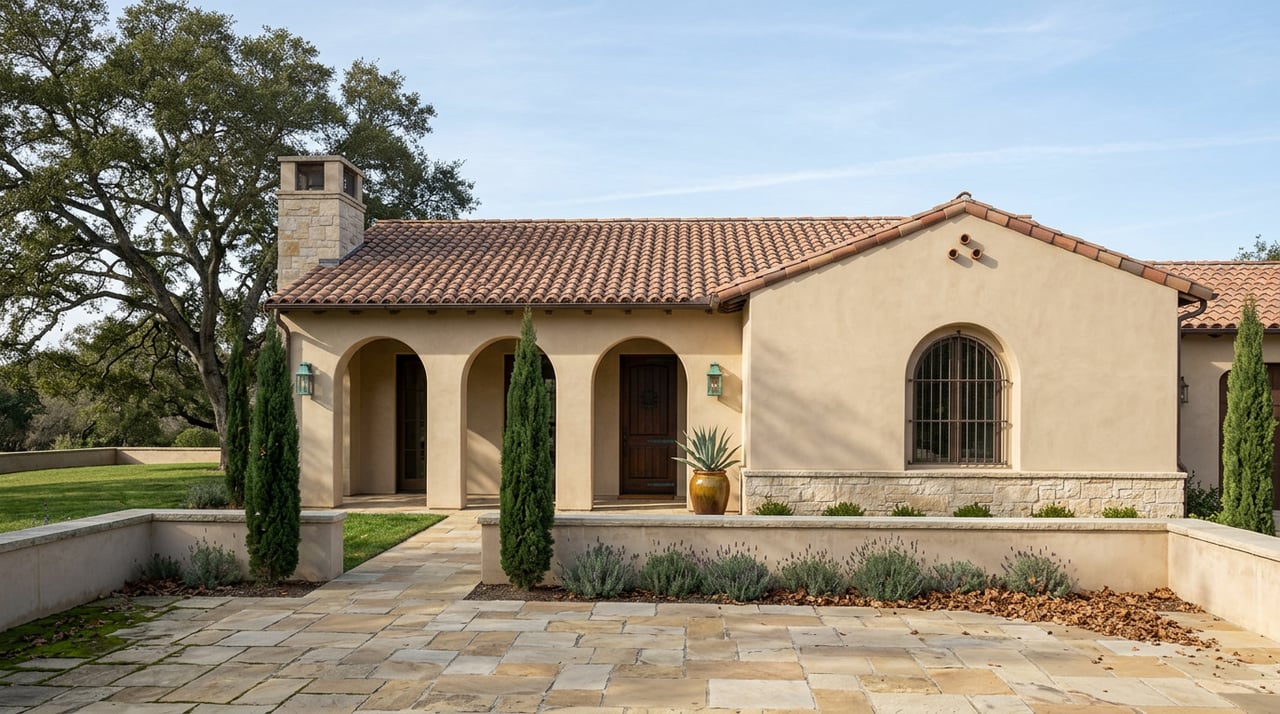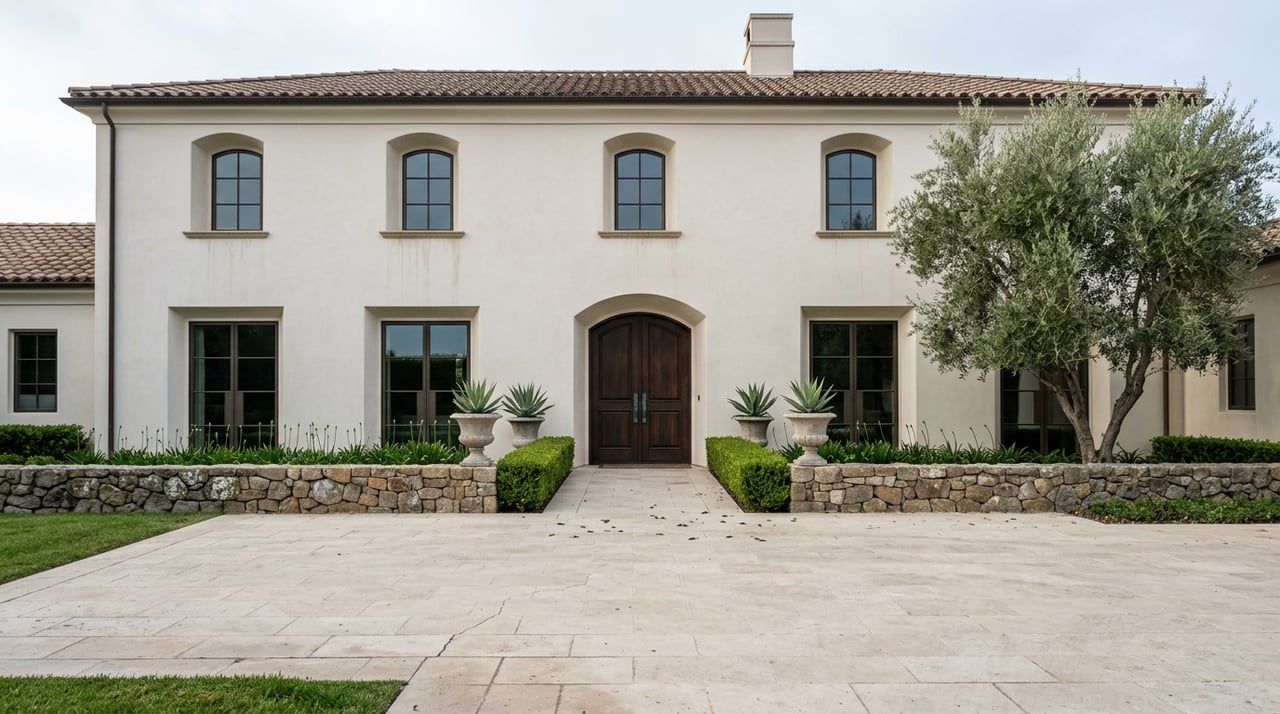
Ask most buyers what stands between them and a Del Mar remodel and they will say the California Coastal Commission. It is the boogeyman of every coastal listing conversation in San Diego County, and for good reason. But in Del Mar, the Commission is often the third hurdle, not the first. The first two are closer to home, and one of them is not even in Del Mar at all.
If you are evaluating a property here with an eye toward expanding it, adding a primary suite, or simply replacing a kitchen with structural changes, the order of operations matters more than the price per square foot. Get the sequence wrong and a project that looked straightforward on paper can add months before a permit is even issued.
The Permit Counter Isn't In Del Mar
Here is the detail that catches people off guard. Del Mar contracts its building department functions to EsGil Corporation, and EsGil's counter for Del Mar projects operates out of Solana Beach City Hall. Plan check review, permit issuance, and inspections for a Del Mar home all route through an office in a different city.
This is not a workaround or a temporary arrangement. It is how the city has structured building services, and it is confirmed on Del Mar's own municipal FAQ pages. For a buyer used to a single city hall handling everything from zoning to final inspection, it means budgeting an extra trip, an extra point of contact, and a little more coordination between your architect, the Del Mar Planning Department, and the Solana Beach building counter before a shovel goes in the ground.
Design Review Comes Before The Building Department Ever Sees Your Plans
The second layer is Del Mar's own Design Review Board, and it is not optional for most visible work. Under the city's Design Review Ordinance, the DRB reviews new construction, additions, and often even interior projects that touch structural elements. The board meets on a bi-weekly public hearing schedule, and its stated job is evaluating a project's placement, its articulation of wall and roof planes, and its impact on neighbors' privacy and scenic views.
March 2026 hearing minutes show a working board with real names behind the gavel, chaired by Arlene Prater alongside members including Adam Wallace, Caitlin Laipenieks, John Goodkind, and Henrik Jensen. This is a public hearing, not a staff sign-off. Neighbors are notified. They can speak. The board can approve, deny, or continue an application to a later date if it wants more information.
Only after DRB approval does a project move to EsGil for the structural plan check that leads to an actual building permit. Then, depending on where the property sits, a Coastal Development Permit layer applies on top of both.
| Layer | Who runs it | What it checks | Typical timeline |
|---|---|---|---|
| Design Review Board | City of Del Mar, public hearing | Exterior design, wall and roof articulation, view and privacy impact | Roughly six to ten weeks across bi-weekly hearings |
| Building Department | EsGil Corporation, based at Solana Beach City Hall | Structural plan check, code compliance, permit issuance, inspections | Follows DRB approval, adds to the same project calendar |
| Coastal Development Permit | City of Del Mar under its certified Local Coastal Program, appealable to the California Coastal Commission in designated zones | Coastal Act compliance, bluff stability, public view and access | Adds roughly six to twelve weeks on top of Design Review Board approval, more if appealed |
Three separate bodies, three separate calendars, and only one of them physically located in the city whose name is on your address.
The 14-Foot Number Bluff Lots Don't Advertise
Buyers who have shopped La Jolla or other parts of coastal San Diego often carry a number in their head: 30 feet, the general limit set by the City of San Diego's Coastal Height Limit Overlay Zone, the citywide measure known as Proposition D. Del Mar is a separate incorporated city with its own zoning code, and that number does not travel with you across the city line.
In Del Mar's standard R1-10 zone, the baseline floor area ratio is 25 percent of the lot or 2,000 square feet, whichever is greater, and maximum lot coverage runs 40 percent of the lot or 3,000 square feet, whichever is greater. Those numbers already shape what a given lot can support. But if the parcel falls within Del Mar's Bluff, Slope, and Canyon Overlay Zone, the height limit drops to 14 feet unless the applicant can demonstrate that a taller design still meets the overlay's stability and view-protection standards. That is not a typo and it is not unique to one contested project. It shows up again in Del Mar's own review of a separate site years earlier, where city staff cited the same 14-foot figure specifically because of a highly visible bluff.
A listing description calling a home "expandable" or citing "room to grow" is describing potential, not an entitlement. Whether that potential survives contact with the overlay zone depends on where the lot sits and what a geotechnical engineer is willing to put in writing.
Del Mar's own Design Review Board describes its job as protecting the city's scenic vistas and natural environment as much as approving individual designs. That framing is worth sitting with before you assume a lot's second story is a formality.
What A 40-Year-Old Rock Pile Just Cost One Bluff-Front Owner
If the height limit sounds abstract, a December 2025 California Coastal Commission staff report on a Del Mar bluff-front parcel makes the stakes concrete. The report describes an unpermitted rock revetment that had occupied public beach for more than 40 years, installed without the approval required at the time and never removed despite an earlier condition requiring it. The city had already approved a new vertical sheet pile seawall on the property in May 2024, sited inland of the old structure and consistent with Del Mar's certified Local Coastal Program.
The resolution required the unpermitted revetment to come out within 180 days, an in-lieu fee to be paid, a deed restriction recorded so future owners are on notice, and construction limited to outside the summer season. The related improvements are scheduled to begin construction in the 2026-2027 fiscal year.
This is what Del Mar's Beach Overlay Zone Ordinance, adopted by city voters in 1988 and folded into the certified LCP, actually looks like in practice. It also explains why any bluff-front or beach-front purchase in Del Mar deserves a permit history check before escrow closes, not after. Shoreline structures installed decades ago without paperwork do not age out of scrutiny. They surface, sometimes as a multi-year enforcement timeline attached to the deed.
What To Confirm Before You Assume Expansion Potential
For a buyer or seller weighing a Del Mar property with renovation in mind, a short list of questions does more work than a general contractor estimate.
- Confirm whether the parcel sits inside the Bluff, Slope, and Canyon Overlay Zone, and if so, request any existing geotechnical reports rather than assuming the standard height allowance applies.
- Ask for the property's Coastal Development Permit history, including any prior approvals, conditions, or unresolved violations tied to shoreline protection structures.
- Check the Design Review Board's current hearing calendar and factor bi-weekly meeting spacing into any renovation timeline, since even a straightforward addition can require more than one hearing.
- Note any protected trees on site. Del Mar's design review process has required story poles and City Landscape Architect sign-off on replacement specifications when a protected tree like a Torrey Pine sits near proposed construction.
- If an accessory dwelling unit is part of the plan, confirm current owner-occupancy requirements, which took effect for Del Mar ADUs on January 1, 2025, along with the 16-foot height cap on detached units.
- Remember that the city's building permit function runs through EsGil Corporation at Solana Beach City Hall, not a Del Mar counter, when scheduling plan check appointments.
None of this changes what makes Del Mar worth owning. It changes what a buyer should ask before treating a lot's square footage as a foregone conclusion.
Frequently Asked Questions
Does an interior-only remodel in Del Mar need Design Review Board approval? Often yes. The city's own guidance notes that even interior projects can trigger board review if they involve structural modifications, not just visible exterior changes.
Who actually issues my building permit if I'm renovating in Del Mar? EsGil Corporation, under contract with the city, handles plan check and permit issuance from its office at Solana Beach City Hall rather than from a Del Mar location.
Is the 30-foot coastal height limit I've heard about in effect in Del Mar? That figure applies within the City of San Diego's own Coastal Height Limit Overlay Zone. Del Mar sets its own height standards, and lots within its Bluff, Slope, and Canyon Overlay Zone carry a 14-foot baseline unless a geotechnical analysis supports more.
Can I build a circular driveway on a Del Mar property? No. Del Mar's accessory dwelling unit and site development standards specifically prohibit circular driveways, and fences and walls are required to follow natural site topography rather than cut across it.
A Del Mar renovation or purchase with expansion in mind rewards the buyer who does the homework before removing contingencies, not after. White Label Home Collective works these overlapping approvals as part of every Del Mar transaction we handle, from bluff-zone due diligence to coordinating design review timelines with a seller's launch date. If you are evaluating a Del Mar property's real potential, or preparing to list one, schedule a private, white glove consultation and we will walk the specifics with you before you commit to a number.